What HR teams find out late.
The duties that are specific to this ground.
Three HR deployments.
A company rolling out CV screening across hiring.
- Annex III point 4 — high-risk, full Art. 26 deployer set.
- Art. 26(7) notice issued to representatives and workers before go-live.
- Named overseer with authority to override, recorded.
- Logs retained to the Art. 26(6) six-month floor.
A team evaluating an interview platform with sentiment scoring.
- Art. 5(1)(f) screening flags emotion inference in the workplace as prohibited.
- The finding lands before procurement, not after deployment.
- The rest of the platform can still be assessed on its own merits.
- The decision and its reasoning are recorded with a date.
An employer using AI to allocate shifts on behaviour.
- Task allocation based on behaviour or personal traits is inside point 4.
- Worker notification and oversight apply as they would to screening.
- GDPR Art. 22 considered where the allocation has significant effects.
- One register, one evidence base for both regimes.
What sits beside the HR duties.
Straight answers for HR.
Which HR systems are high-risk?
Annex III point 4 covers AI used for recruitment or selection — including targeted job advertising, filtering applications and evaluating candidates — and for decisions on promotion, termination, task allocation based on behaviour or personal traits, and monitoring or evaluating performance. That is most of the HR technology stack, which is why this ground repays scoping carefully rather than assuming.
What is different about worker notification?
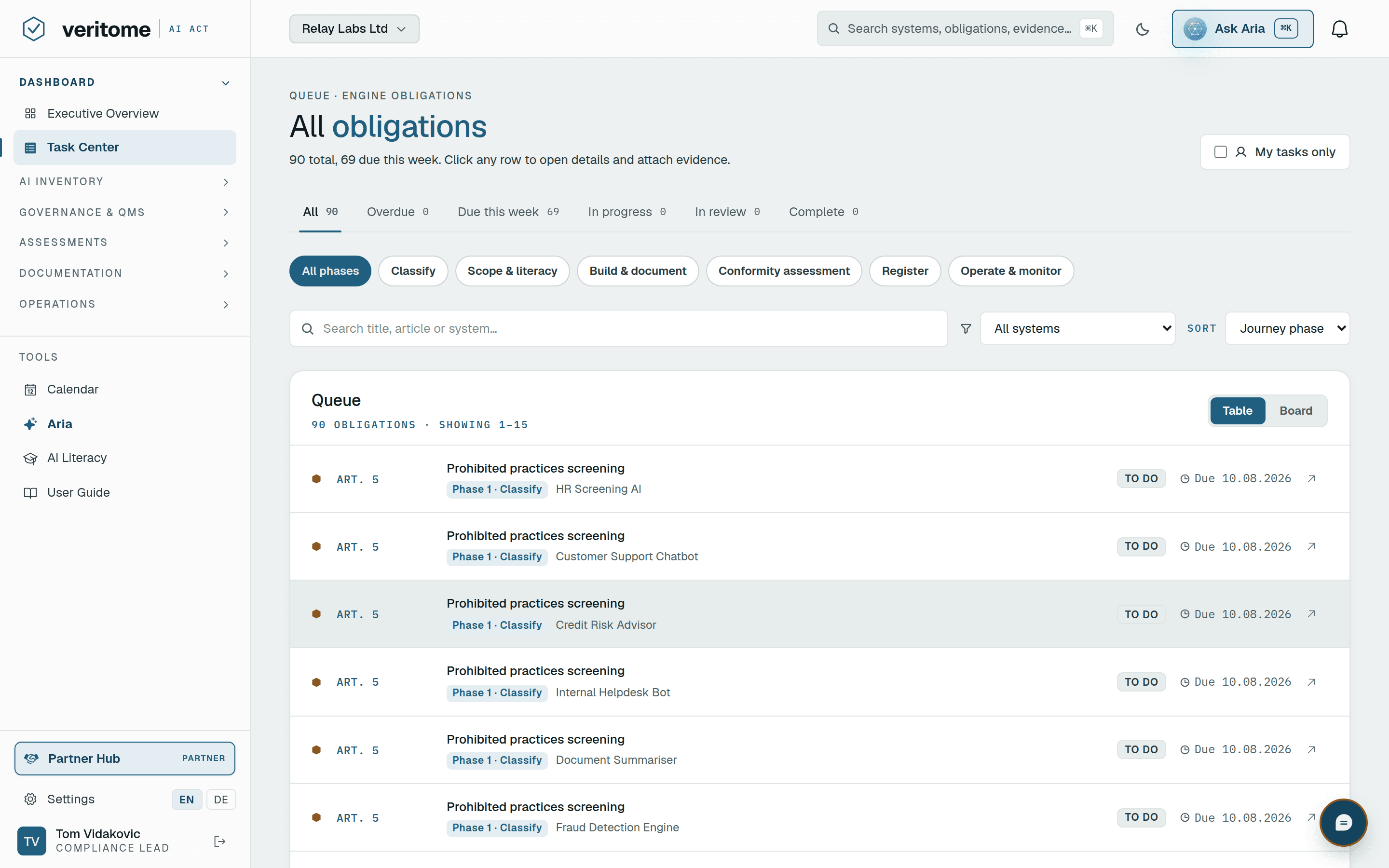
Article 26(7) requires deployers who are employers to inform workers' representatives and the affected workers BEFORE putting a high-risk system into use at work. It is one of the few duties with a hard sequencing requirement, so a notice issued after go-live has not been complied with — it has been documented late.
Can we use emotion recognition in interviews?
No. Article 5(1)(f) prohibits placing on the market, putting into service or using AI to infer emotions in the workplace and in education, outside narrow medical or safety purposes. This is a prohibition, not a high-risk duty: there is no conformity route that makes it permissible, and the prohibitions have been in force since February 2025.
Does the vendor's compliance cover us?
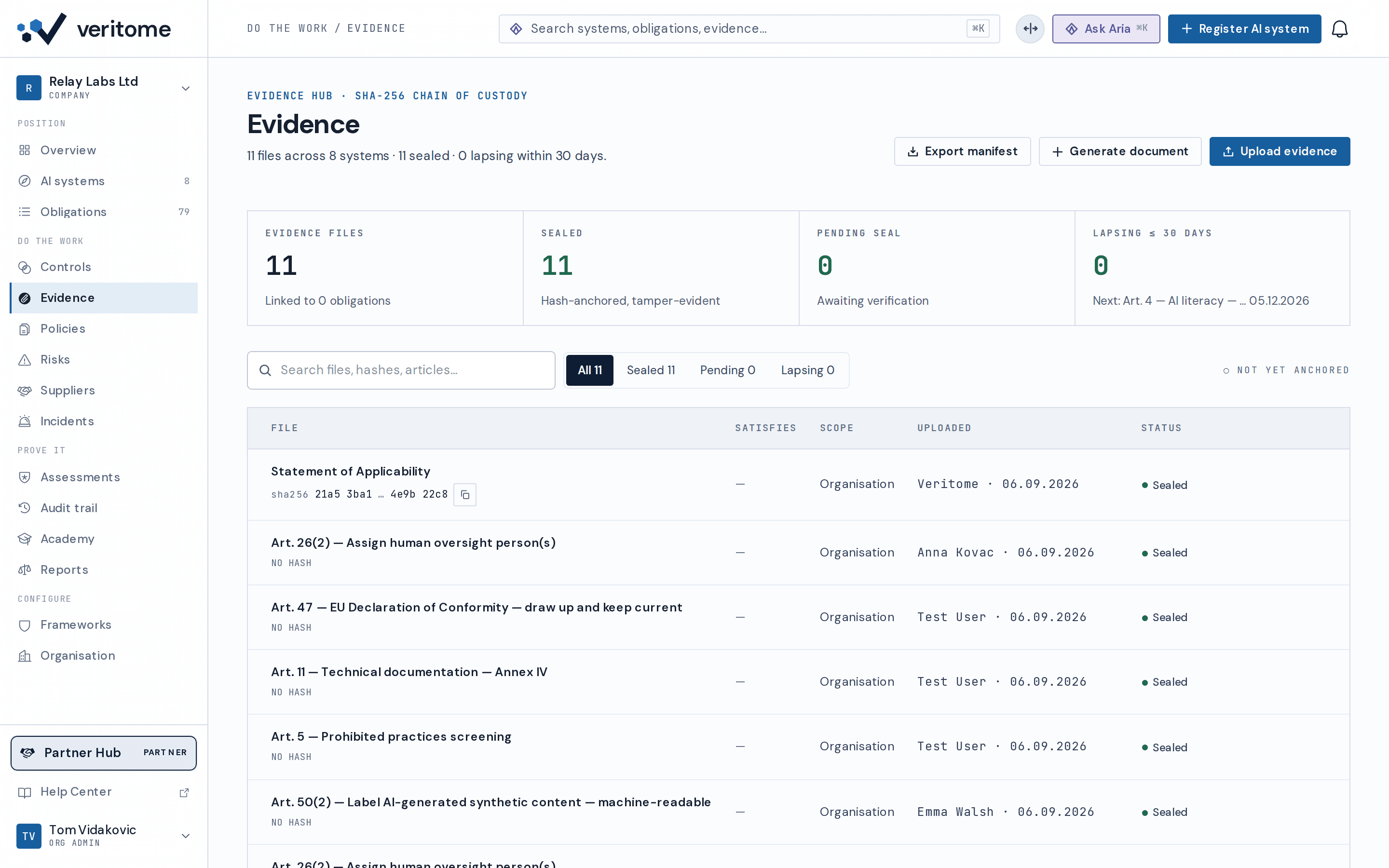
No. You are the deployer. Their conformity assessment is theirs; your oversight, your input data, your logs, your worker notification and your Article 4 literacy remain yours regardless of what their sales material says.
How does GDPR fit in?
Closely, and on the same register. Article 22 governs solely automated decisions with legal or similarly significant effects — which a hiring rejection can be — and a DPIA is very likely required. Where an Article 27 fundamental-rights assessment also applies, it can build on that DPIA under Article 27(4).